Working in these areas, I have witnessed many challenges faced by young people. There are so many of them, and we have limited time if we were to talk, write, sing, or make movies about each one.
Unfortunately, we don’t have the luxury of time. What you should know about these young people is that despite the circumstances they face, giving up is not an option. They remain hopeful and strive for the best in life—just like all of us, whether rich or poor. We all desire good homes, delicious food, nice clothes, and reliable cars.
These are universal aspirations. Some are living this reality, some are dreaming of it, and others are just beginning their journey toward it because of life’s nature. Yet, some are only pretending to have it all.
Some say “fake it till you make it,” and they are willing to go to unprecedented lengths to achieve their desires.
Let’s talk about those living a fake social media life—sneaking into hotels to take aesthetic photos, scrambling for any chance to snap pictures with big guys in fancy cars. Afterward, they post these images on their social media accounts, accompanied by quotes thanking their creators for material gifts, even though deep down, they know it’s not true.
Some people believe it and want to live the same lifestyle. The most affected are young people with smartphones and data access. They see what is posted and aspire to be like that without understanding the effort, means, or reality behind how those posting such luxurious lives afford them.
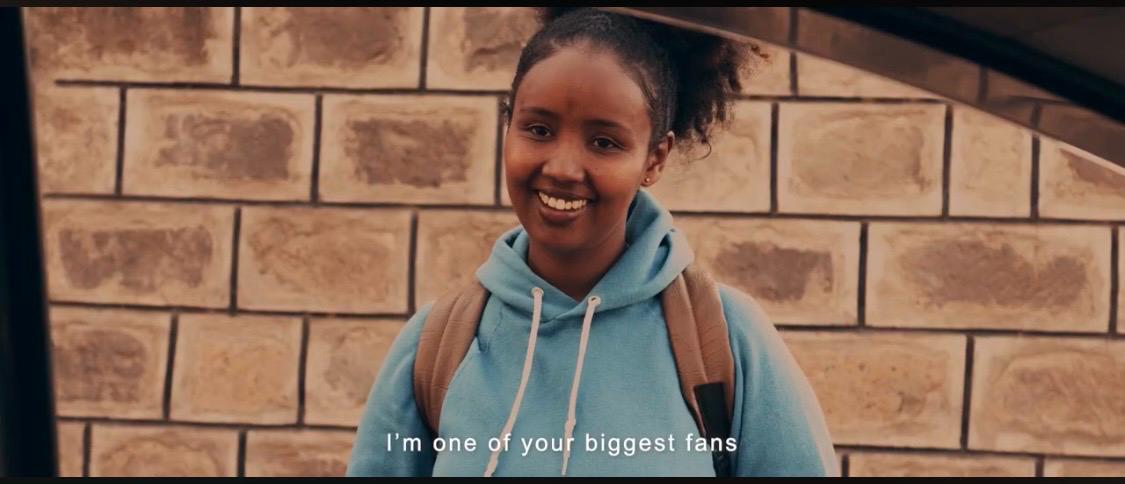
We noticed the pressure from social media after having candid conversations with young people in our program sessions. They were able to open up, and we strive to support them by guiding them to the right resources for help. In response to this challenge, and as you know, Kibanda Project uses art for social impact.
Together with various partners and friends, we decided to create a film that tells this important story. We believe art is a powerful medium to share vital information in a way that resonates with everyone
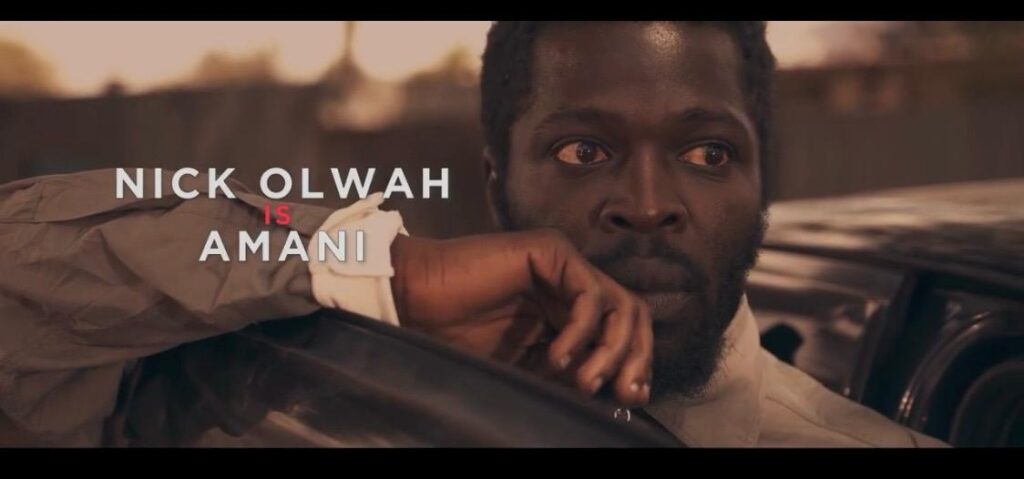
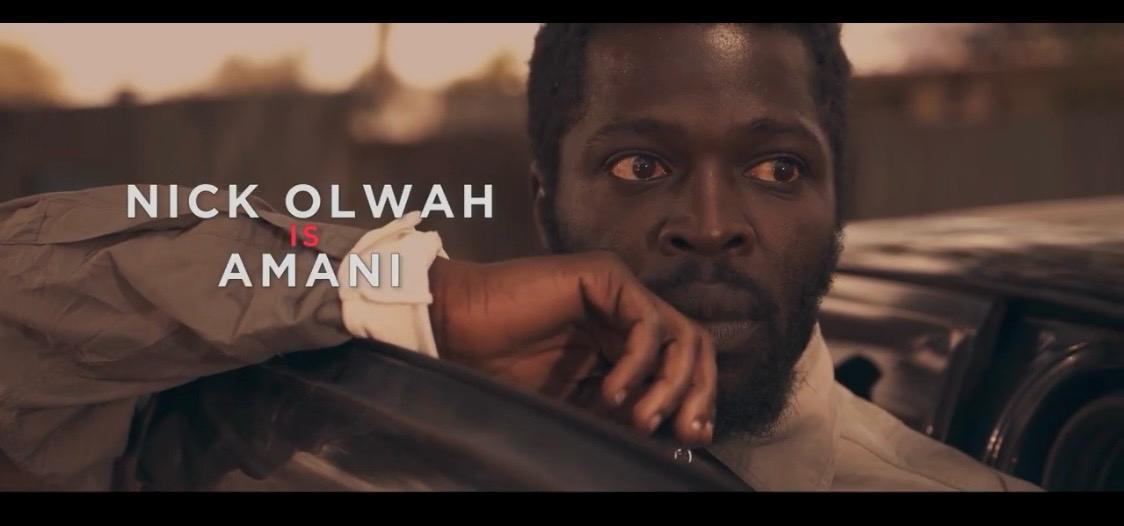
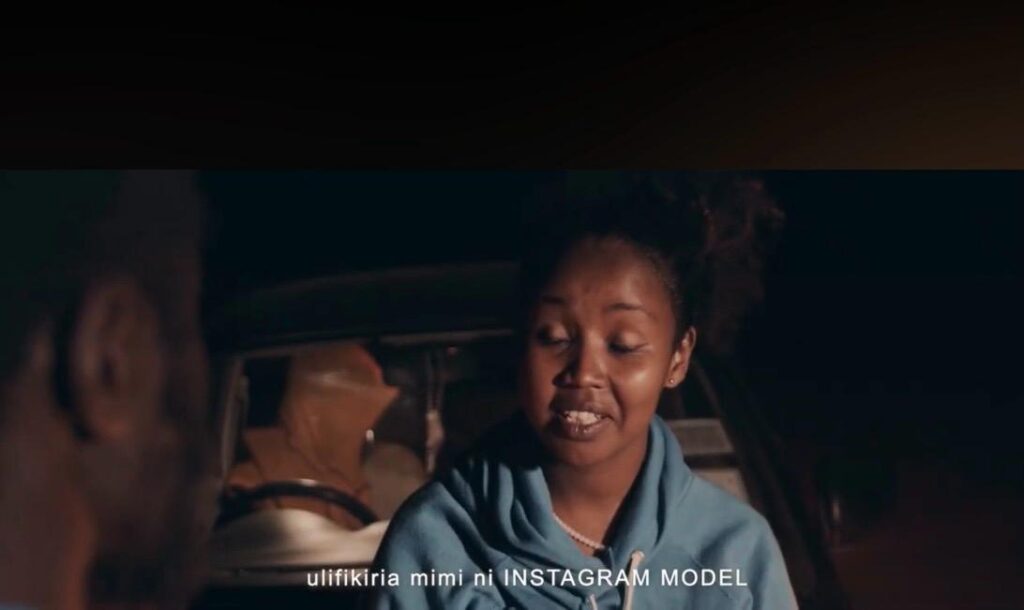
The movie, titled “Teka,” centers on Hope [Amina Husein], a fake social media influencer who crafts a false online persona, and Amani [Nick Olwa, our director at Kibanda Project], a cab driver entangled in the dangerous fallout of his gangster lifestyle.
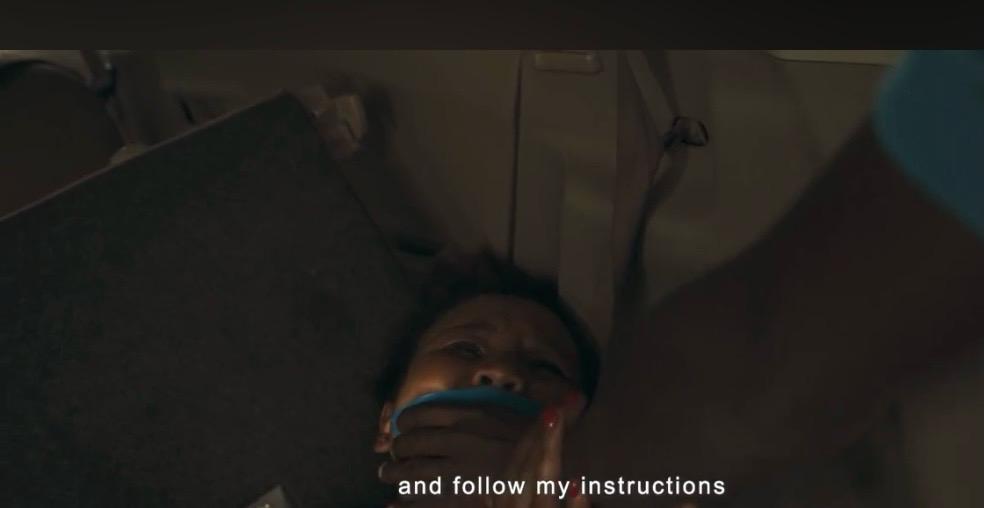
Amani is in debt to dangerous individuals who are now pursuing him. Despite this, Amani is an avid fan of Hope’s social media content and has been following her online for some time. One day, Hope hails a cab driven by Amani. Assuming she has money because of her online fame, Amani soon discovers the truth is very different. This encounter sparks the unfolding drama of the film.
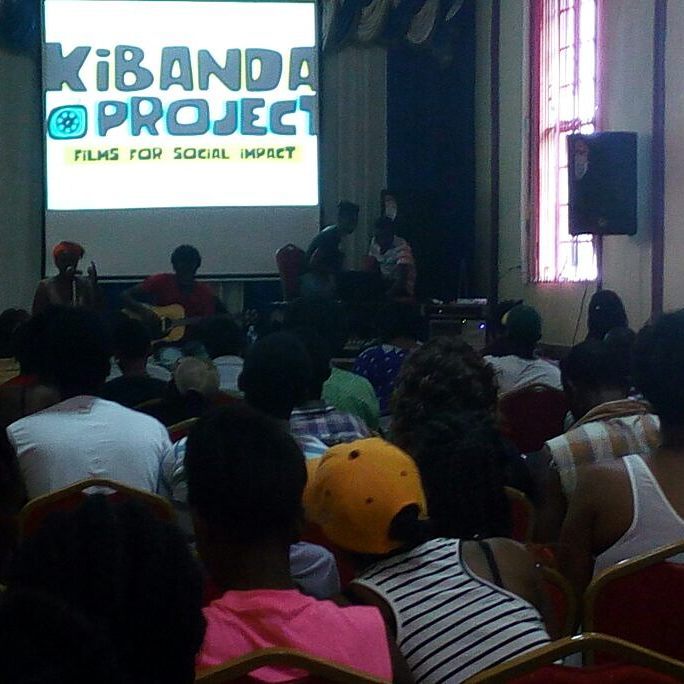
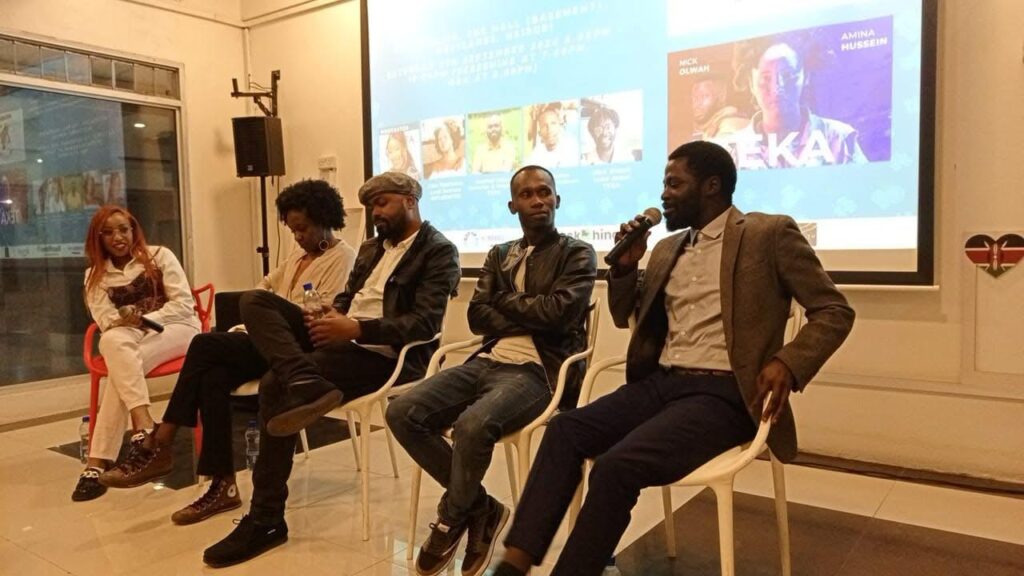
We implemented the project through what we call the MovieKibanda Tour, visiting informal movie theaters to share our message. The response was very positive. The movie is available on YouTube; please check the link below for a chance to watch it. https://youtu.be/lmOuN4XzYns?si=3SkU9erqFa54iDTb. If you would like to support us with a donation, kindly contact us at info@kibandaproject.org.
written by Olwah
Leave a Reply