

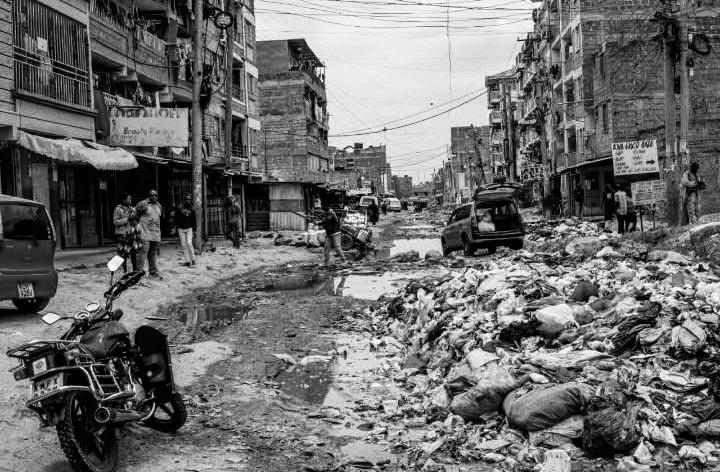
One of the most densely populated neighborhoods in Nairobi where I have lived is Mowlem Ward in Embakasi West. This vibrant community is home to many foreigners, primarily from East Africa, including Uganda, Tanzania, Burundi, Congo, and Rwanda.
I would confidently say this is their first stop when they visit Kenya. Kenyans are notably more welcoming compared to our neighbors. This is a fact I have witnessed firsthand and confirmed by my foreign friends.
Ugnadans are renowned for working in small hotels called vibandas, where their primary skill is cooking chapati. And let me tell you, they make exceptional chapati. People often prefer their chapati because of the perfect balance between quantity and quality, unlike their Kenyan counterparts who usually prioritize quantity to maximize profit.
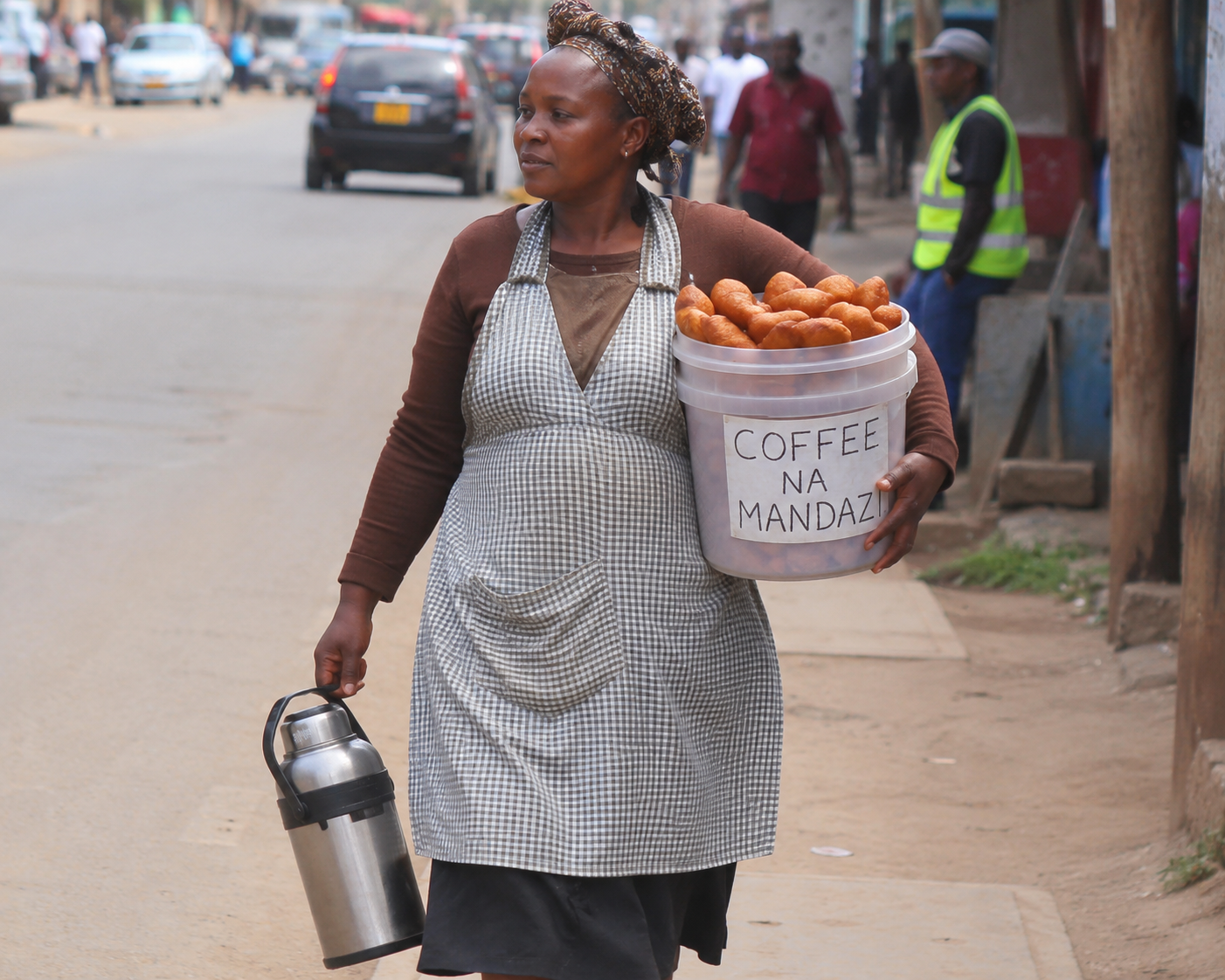
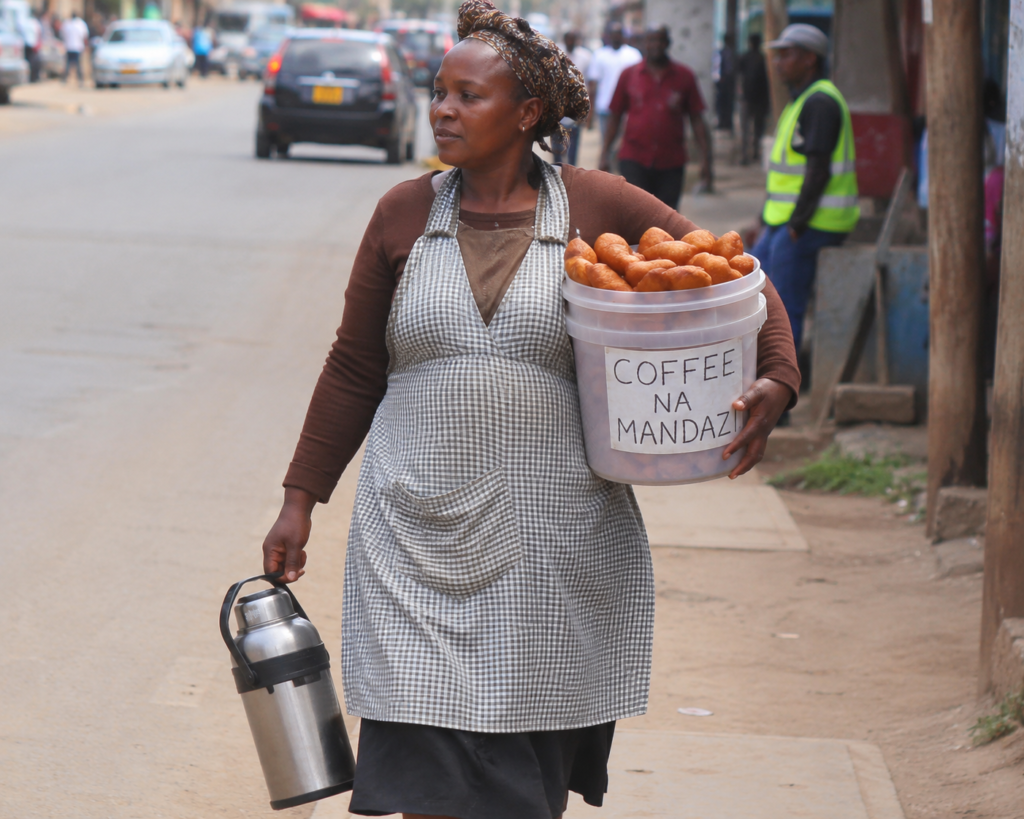
Rwanda, Burundi, and Congo are often recognized for Kahawa, encompassing coffee culture and barbershops. In this article, however, I will spotlight the Kahawa boys. You’ve likely seen them—men and women alike—walking through these neighborhoods carrying flasks of kahawa and buckets brimming with mandazis.
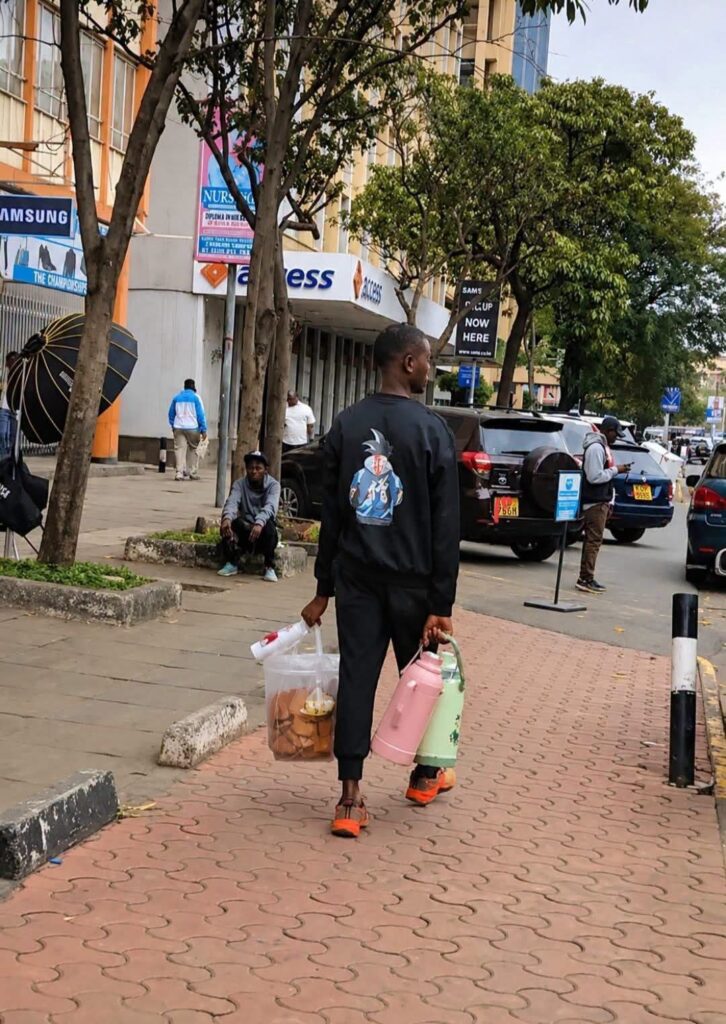
I can’t deny that I was once a major consumer of their products. You could find them everywhere, even around town. Their prices are very affordable, and they have a unique way of connecting with their customers. I’m not sure if that’s part of their culture or simply because they operate in a different country. Overall, they communicate with great politeness.
I had befriended one of them; he was from Burundi. My curiosity drove me to learn more about the Kahawa distribution system—how it operates, the benefits it provides, the challenges they face, and much more.
I started by asking him how he ended up here and what inspired his journey. Many come from deeply impoverished backgrounds. He shared that hearing success stories from those who came before him was a strong source of motivation. The progress and growth they saw back home inspired them to take a risk and pursue opportunities abroad.
How do you all live? I asked. He explained that when they first arrive in Kenya, they typically share a single room. These are small, one-room spaces where everyone splits the rent because their earnings barely cover housing costs.
So, they rely on sharing these rooms. How many people? I asked. The answer wasn’t surprising—I expected it. He said there can be as many as ten people in a single room, as long as there’s a place to lay your head.
He compared the overcrowding in those rooms to that found in prisons, especially Kenyan prisons, where congestion can sometimes lead to fatalities. He acknowledged that everyone has to start somewhere. Once you begin earning enough, you can move to a larger space or afford to live alone, as sharing a cramped home offers little to no privacy, he explained.
I asked him about another challenge he faces because I noticed that after sending money to him via mobile money, it showed up under a different name. I wanted to understand why, when I send money to him, someone else ends up receiving it.
He explained that this is the only way he can use mobile money in Kenya. Many people lack proper identification documents, and sometimes the mobile numbers belong to their bosses or friends, who occasionally disappear with the entire collection. He can’t report it to the authorities because it might involve the police.
Another challenge was the language barrier, especially for those coming from Burundi and Rwanda. Many of them do not understand Swahili or English well, if at all, as their historical background is primarily French-based.
They also face numerous difficulties with local authorities, including the police and county government officials. Despite these obstacles, they continue to strive to survive.
I also encouraged him to explain more about their preparation process and asked if he could take me to their location to see it for myself. He was initially hesitant about the idea, but after several requests, he finally agreed—on one condition: no cameras allowed, and I must not ask anyone there any questions, as it might raise suspicion.
I was quite disappointed with the place—they were not clean at all, and those handling the food preparation seemed inexperienced and careless. Much improvement was needed in how they prepared everything. However, sometimes you have to make do. After witnessing this, I vowed never to have their kahawa again.
Choosing not to drink their product was my personal decision, not a judgment on everyone. While I did not visit all their preparation sites, I did visit several. Therefore, I am not condemning all locations, only those I personally saw. There is significant room for improvement in terms of their cleanliness.
Recommendation
To protect their customers from diseases, they must prioritize proper food handling practices. The local authorities should closely monitor and enforce these standards. Additionally, businesses should possess the necessary legal documentation, making it easier to report any issues with local residents or authorities. Many are currently facing significant injustice simply because they lack the proper paperwork.
Wishing our brothers all the best as they remind us that the greatest enemy is poverty.
written by Olwah
Leave a Reply