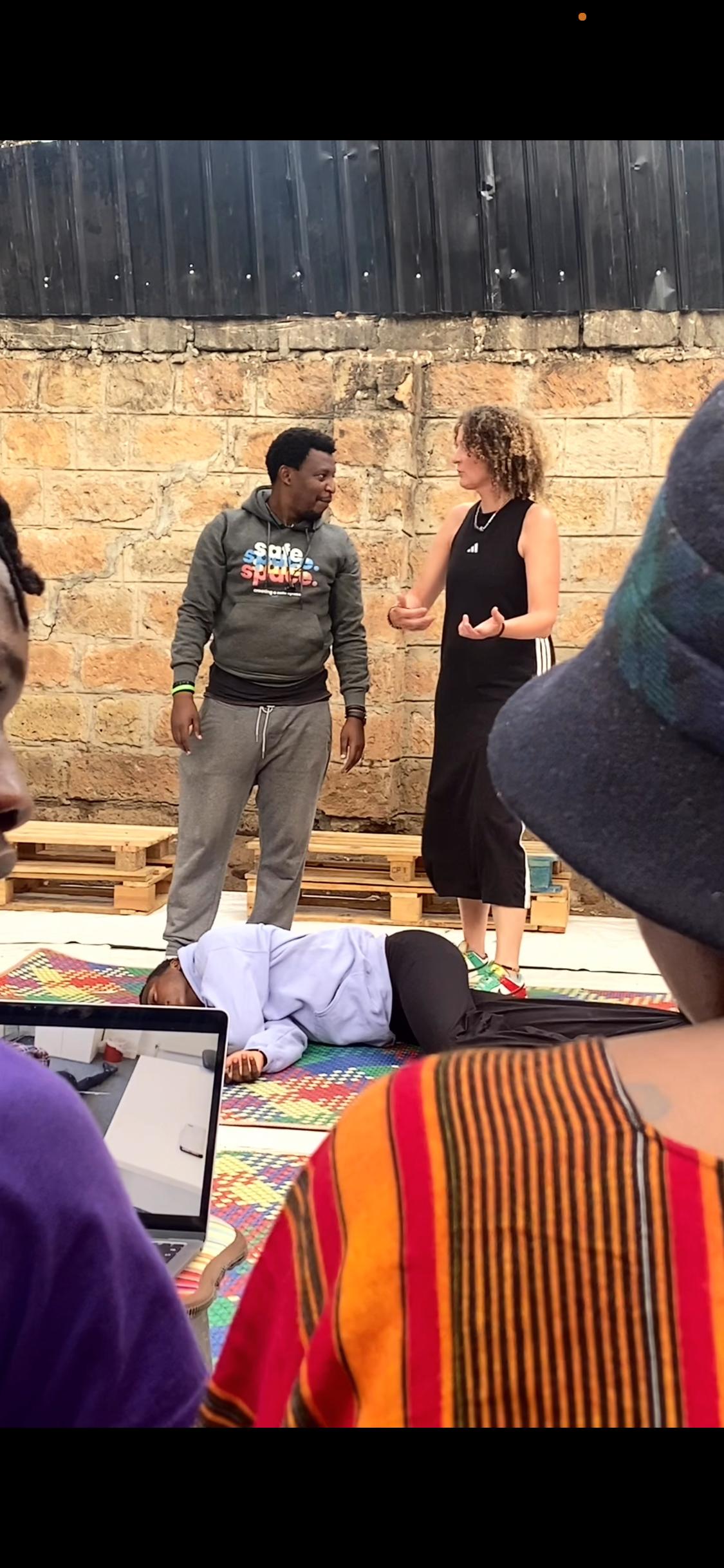
When it comes to life-saving skills, many people lack the knowledge needed to act effectively, even with basic first aid lessons. For example, when someone, especially a child, is choking on food, many do not know the proper steps to take. It is crucial for everyone to understand what to do in such situations: how to recognize choking, what position the person should be in, where and how to gently administer back blows, and which positions to avoid. Knowing these details can make a life-saving difference.
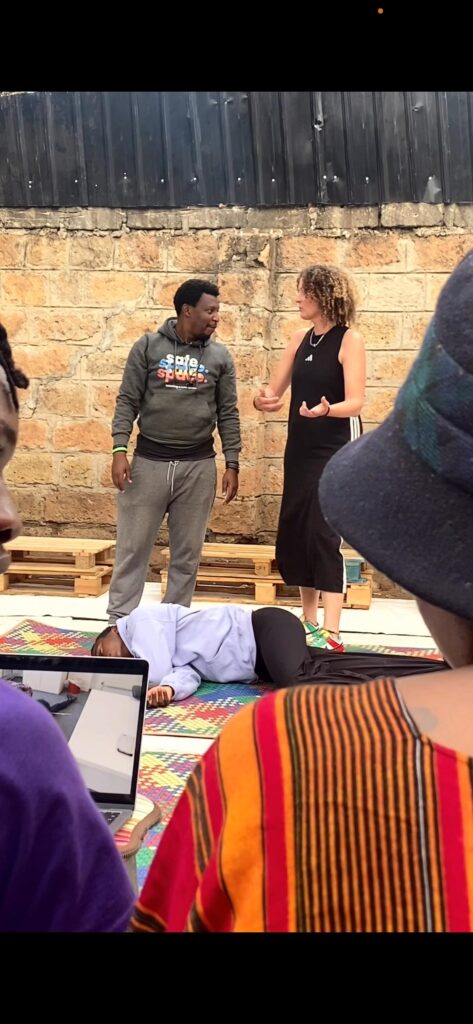
If someone faints, the first step is to help them lie down flat on their back to improve blood flow to the brain. Elevate their legs about 12 inches above heart level unless you suspect a spinal injury. Their head should be turned to one side to keep the airway clear and prevent choking in case of vomiting.
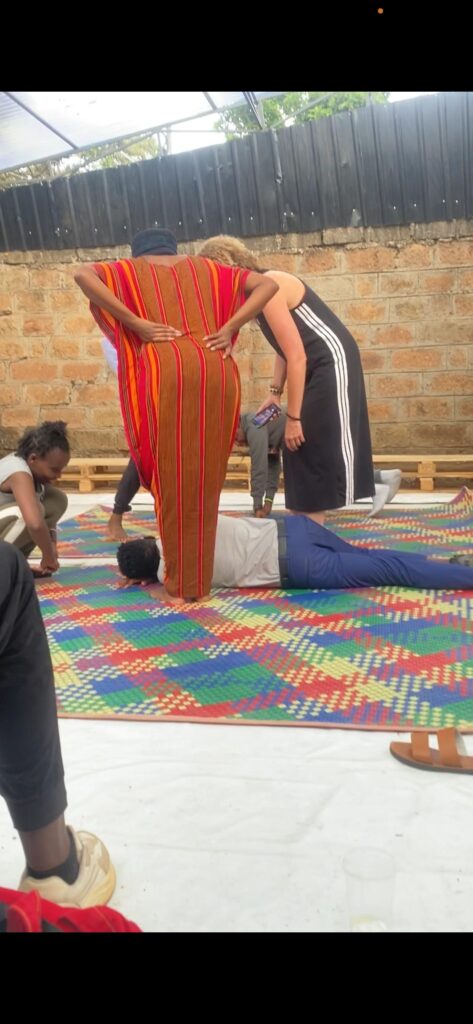
When someone is bleeding, apply firm pressure directly to the wound with a clean cloth or bandage to reduce blood flow. If the bleeding is severe, raise the injured area above heart level if possible.
For cuts, the first action is to clean the wound gently with water to remove any dirt or debris. Applying an antiseptic can help prevent infection, including tetanus. Make sure the person’s tetanus vaccinations are up to date. Cover the wound with a sterile dressing.
Everyone should learn these basic first aid steps to be prepared to help in emergencies. Remember, if pain persists or the injury is serious, always advise seeking medical attention promptly by visiting a hospital or consulting a doctor.
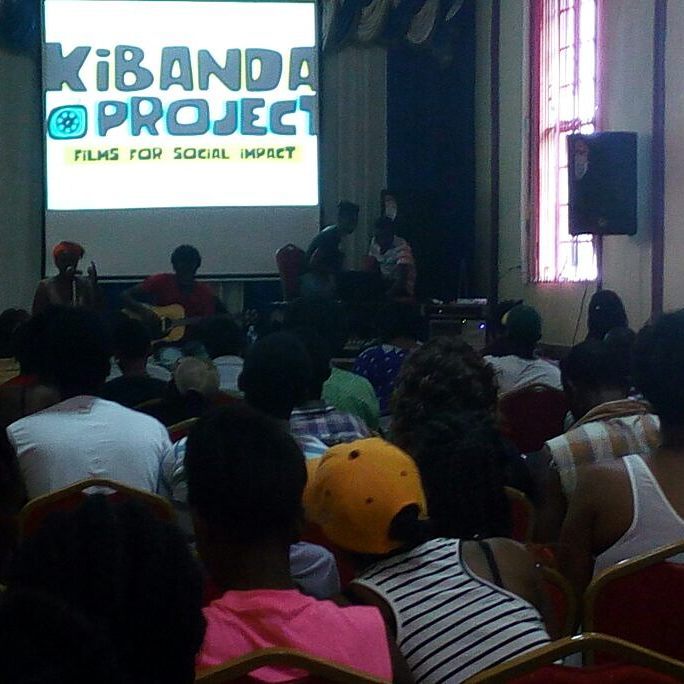
Kibanda Project aims to deliver this vital lesson to marginalized families, particularly those living in informal settlements like slums. These communities urgently need access to life-saving information. We are currently partnering with Lost Mind Organization to explore effective ways to reach these hard-to-access groups, whether through online video content on platforms like TikTok or by engaging them directly in our town hall sessions.
Leave a Reply